

































PW Skills Launches PW Skillshala: A Network of Offline Upskilling Centres Across India





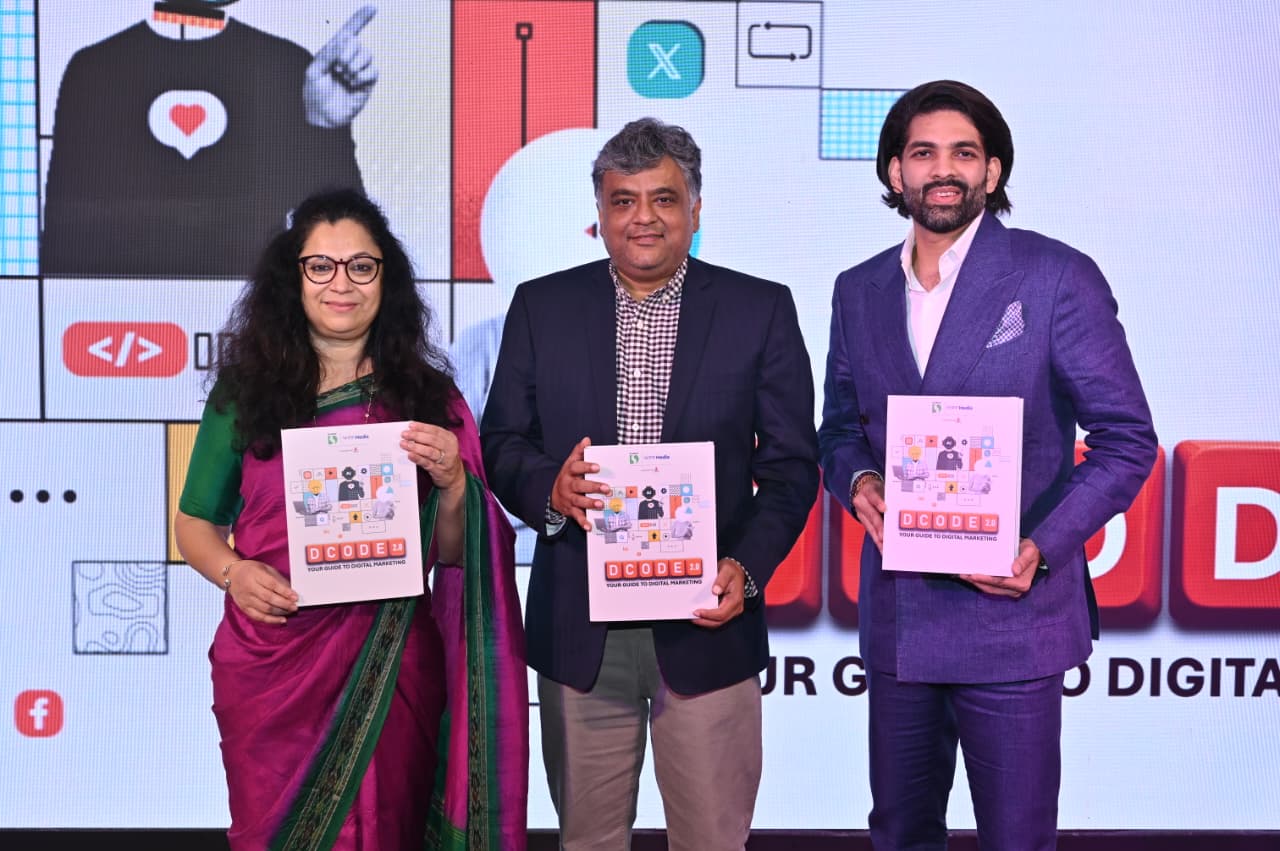
Noida (Uttar Pradesh) [India], May 25: Education company PhysicsWallah (PW) has announced the launch of PW Skillshala, a dedicated offline learning initiative under its professional upskilling vertical, PW Skills. The announcement made during a launch event marks a strategic expansion into physical classroom learning with 14 offline centres across cities such as Noida, Patna, Lucknow, Indore, Pune and others. Currently courses around Data Analytics, Data Science, Full Stack Development, Data Structures & Algorithms and Digital Marketing are being offered.
According to the India Skills Report 2026*, the national employability rate stands at 56.35%. While this marks an upward trajectory from 54.81% in 2025, it also underscores that nearly 44% of educated youth entering the job market remain unemployable without immediate vocational intervention. Furthermore, the Union Budget 2026-27 identifies skill development as a cross-sectoral priority to utilise the country’s significant working-age demographic, noting significant talent gaps in technical sectors such as generative AI, data engineering, and automation.
An industry-focused panel discussion was organised at the launch event, which featured Gopal Sharma (COO, PW), Satish Sharma (CMO, PW), Rohit Negi (ex-SDE at Uber and founder of CoderArmy) and Mehak Suri (Global tech consultant), alongside PW Skillshala faculty members Adfar Rasheed, Raghav Garg, and Tushar Jha. The panel analysed modern job market paradigms, focusing on the current job market landscape, how different skills align with emerging job roles, and the rise of AI-enabled jobs, while underscoring why AI is expected to augment human software workflows rather than cause direct job displacements.
Gopal Sharma, Chief Operating Officer, PhysicsWallah (PW), said, “Our core focus has consistently centred on delivering quality and accessible education at scale. The introduction of PW Skillshala marks an important step forward as we complement our digital ecosystem with the distinct advantages of physical learning. In a traditional classroom setting, students benefit from immediate peer-to-peer collaboration, real-time networking, and the accountability that comes with a structured, community-driven environment. As advancements in AI continue to reshape workforce expectations, providing practical, hands-on environments with direct mentorship becomes essential.“