
































The Rise of Global Storytelling and Cross-Cultural Cinema: Beyond the Immigrant
Global storytelling is reshaping the film industry as cross-cultural cinema moves beyond traditional immigrant narratives. Filmmakers are embracing diverse perspectives, international collaborations, and universal themes to create stories that resonate with audiences across borders.




The global entertainment landscape is witnessing a massive evolution. High-octane blockbusters like Aditya Dhar’s record-shattering Dhurandhar series (grossing over ₹3,300 crore globally) have established a triumphant celebration of Indian identity. This commercial boom has promoted a strong Indian identity but equally importantly, it has opened the door for a sophisticated parallel movement: Cross-Cultural Cinema.
Moving past old, melancholic "immigrant struggle" tropes, this new genre reflects a modern reality: People of Indian descent are no longer just adapting to global spaces; they are natively shaping them. At the absolute vanguard of this movement is an elite crop of emerging creators who treat identity not as a narrative liability, but as a position of strength. Among these up-and-coming voices is Dutch-Indian actress, filmmaker and scholar Ambika Sharma, whose developing feature film—co-directed with internationally respected NYU professor Karl Bardosh, in which she plays a key character as an actress redefines how global creators connect with their roots.



Geopolitics and the Integrated Identity
This creative shift directly anchors itself in a deeper structural reality: India’s systematic pivot towards substantive strategic autonomy under the Modi administration. The dramatic rise of the Indian diaspora’s global influence over the last few years is the direct result of a highly proactive framework of intensified state-level engagement, extensive bilateral treaties, and landmark multi-sectoral partnerships rather than simple diplomatic optics. This has not only catapulted India to prominence but also empowered the Global Indian diaspora.
By integrating India’s internal economic priorities with the strategic, technical, and security interests of nations across the globe, these robust international frameworks have fundamentally transformed the diaspora. They are no longer viewed through the dated lens of an adapting minority; they are recognized as an integrated, globally valued asset. This systemic soft power has injected a new confidence of the Overseas Indian on the global stage and media, allowing cross-cultural stories to be received as the native output of an equal global partner.
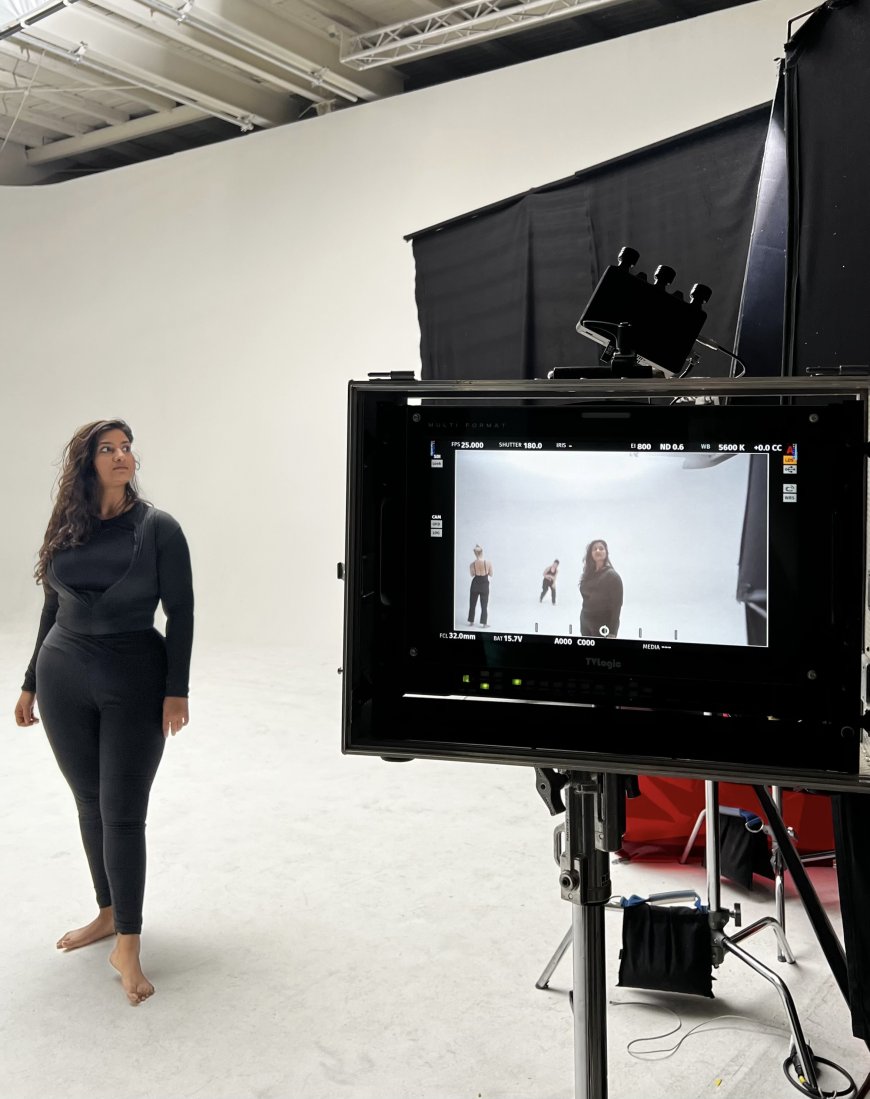
We see this blueprint even outside cinema. New York City Mayor Zohran Mamdani (son of iconic filmmaker Mira Nair) bypassed traditional gatekeepers by leveraging a hyper-modern, integrated digital presence, blending his heritage into a unified, authentic voice. Similarly, Cross-Cultural Cinema treats dual identity as an asset. Sharma’s own trajectory reflects this fluid mobility—raised in the Netherlands, she navigated the corporate-creative tech sector working with Meta/Facebook clients in Germany before transitioning her artistic career to the United States.
The Auteur-Polymath: Forging the Hybrid Arc
The era of the "siloed" filmmaker is giving way to multi-disciplinary architects. Established icons like Rishab Shetty have already proven this "Actor-Director" paradigm's immense power, showing with Kantara that controlling both sides of the lens preserves cultural nuance without external compromise.
As an up-and-coming creator, Sharma’s multi-disciplinary background takes inspiration from this blueprint but pushes the hybrid arc a specialized step further, treating cinema as a total synthesis of her artistic evolution across distinct mediums:
Visual Arts: Her creative foundation began in the fine arts, travelling and creating murals in Amsterdam.
Performance Arts & Spatial Intimacy: Her transition into performance art yielded critical milestones—notably her performance at the Prague Biennale in artist Mascha Naumova’s project which explored the psychology of interacting with strangers, and her featured performance in artist Ludivine Thomas-Anderson’s evocative work exploring migration. This background allowed her to master the art of physical, kinetic storytelling.
Acting & Directing: Stepping from front of the camera to the director's chair alongside Professor Bardosh, she leverages her performance background to eliminate the gap between script and human emotion.
This artistic maturity was recognized early on when her short films examining roots and migration won her a Best Actress award within the Cannes Film Festival ecosystem.